
Intracytoplasmic Sperm Injection (ICSI) is a specialized form of assisted reproductive technology (ART) used during IVF to improve fertilization in cases of male infertility or previous fertilization challenges.
At Hope Fertility, we offer ICSI in Atlanta to help increase the chances of successful fertilization when standard IVF may not be sufficient.
ICSI is a laboratory procedure used during IVF where a single healthy sperm is directly injected into a mature egg. This technique helps bypass natural fertilization barriers and is performed by highly trained embryologists using advanced micromanipulation tools.
ICSI is commonly used as part of IVF treatment in Atlanta for improved fertilization outcomes.

The Process
ICSI is performed in our IVF laboratory after egg retrieval:
Mature eggs are collected from the ovaries during an IVF cycle.
A single healthy sperm is carefully selected under a microscope.
The sperm is directly injected into the egg using a specialized microneedle.
Fertilized eggs are monitored as they develop into embryos.
The highest-quality embryo is transferred into the uterus.
IVF vs ICSI
ICSI provides more control over fertilization, especially in cases involving sperm quality issues.
| Feature | Traditional IVF | ICSI |
|---|---|---|
| Fertilization method | Sperm naturally fertilizes egg | Single sperm injected into egg |
| Best for | General infertility | Male factor infertility |
| Fertilization control | Lower | Higher |
| Use in fertility labs | Standard IVF | Advanced IVF technique |
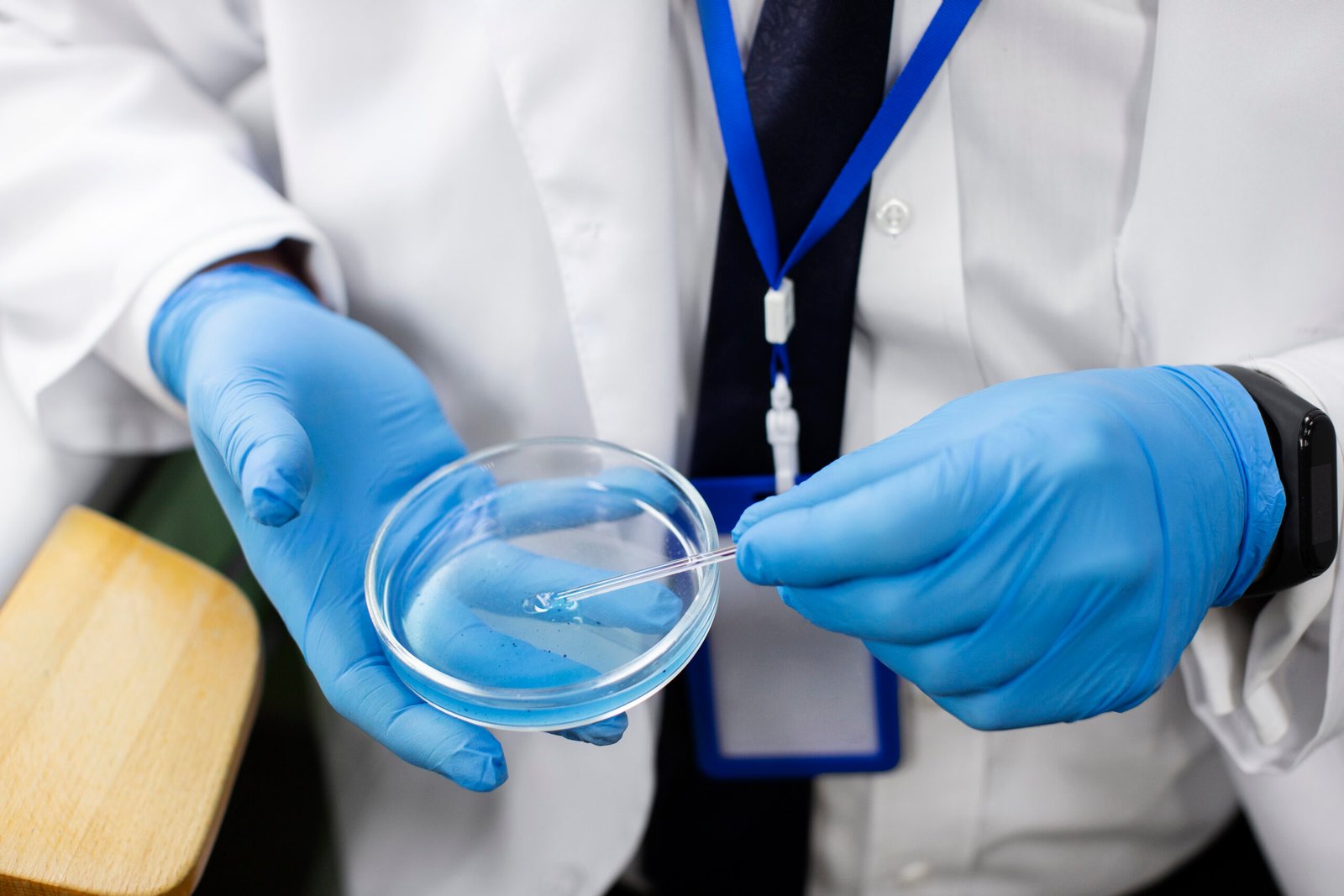
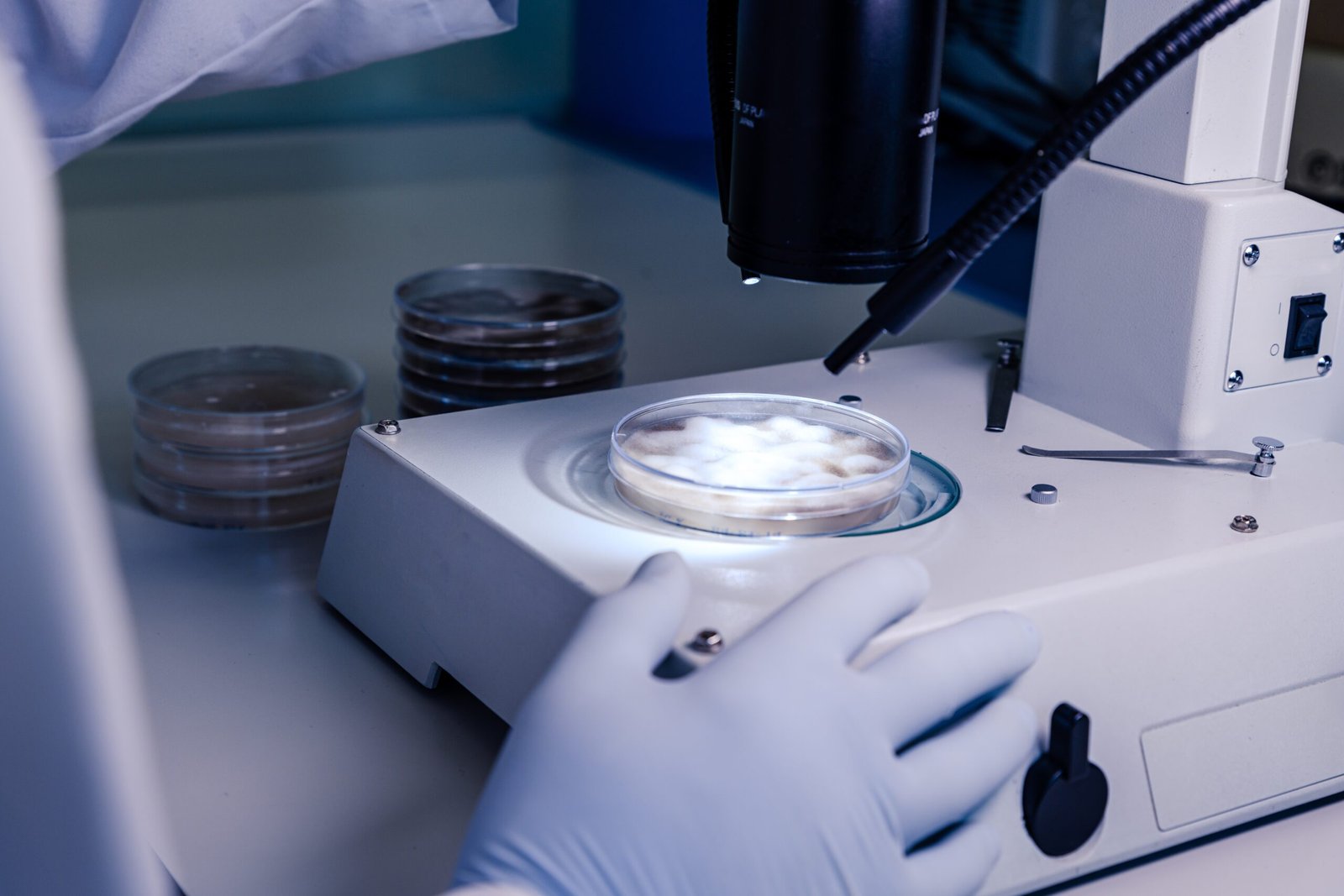
ICSI (Intracytoplasmic Sperm Injection) is an advanced IVF technique where a single healthy sperm is directly injected into a mature egg to assist fertilization. It is commonly used in cases of male factor infertility or previous fertilization failure.
ICSI may be recommended for patients with low sperm count, poor sperm motility, abnormal sperm shape (morphology issues), previous failed IVF fertilization, or sperm retrieval procedures (TESA or PESA).
ICSI is not 'better' for everyone—it is a specialized technique used when fertilization may be difficult with traditional IVF. It is especially beneficial in cases of male infertility.
ICSI can improve fertilization rates when sperm quality is a concern. However, overall pregnancy success depends on multiple factors including egg quality, embryo development, and maternal age.
Yes, ICSI is considered safe when performed by experienced embryologists. A single sperm is injected into the egg without significantly affecting embryo development in most cases.
Traditional IVF allows sperm to naturally fertilize the egg in a laboratory dish, while ICSI involves directly injecting a single sperm into the egg to assist fertilization.
No, ICSI does not influence gender selection. The sex of the embryo is determined by the sperm chromosome (X or Y), not the procedure itself.
ICSI fertilization rates are generally high, especially in cases of male factor infertility. Pregnancy success depends on multiple factors including embryo quality and maternal age.
© 2026 Hope Fertility. All rights reserved.