

Understanding Preimplantation Genetic Testing
Preimplantation Genetic Testing (PGT) is an advanced procedure performed during the IVF process to evaluate embryos for chromosomal abnormalities and inherited genetic conditions before they are transferred to the uterus.
At Hope Fertility, our embryology and genetics team uses state-of-the-art technology to help you build your family with greater confidence and peace of mind.
Three Main Types
Types of PGT
There are three main types of PGT, each designed to screen for different genetic concerns:
PGT-A (Aneuploidy Screening)
Detects chromosomal abnormalities (extra or missing chromosomes)
PGT-SR (Structural Rearrangements)
Identifies chromosomal structural issues such as translocations
PGT-M (Monogenic Disorders)
Tests for specific inherited genetic diseases

Who Should Consider PGT?
The Process
How PGT Works During IVF
PGT is seamlessly integrated into the IVF process:
Embryo Creation
Embryos are created through IVF in our advanced laboratory.
Embryo Biopsy
A small number of cells are biopsied from each embryo by experienced embryologists.
Genetic Analysis
The samples are analyzed in a specialized genetics laboratory for chromosomal and genetic health.
Embryo Classification
Embryos are classified based on genetic health, and a selected embryo is transferred in a future cycle.
Benefits of PGT

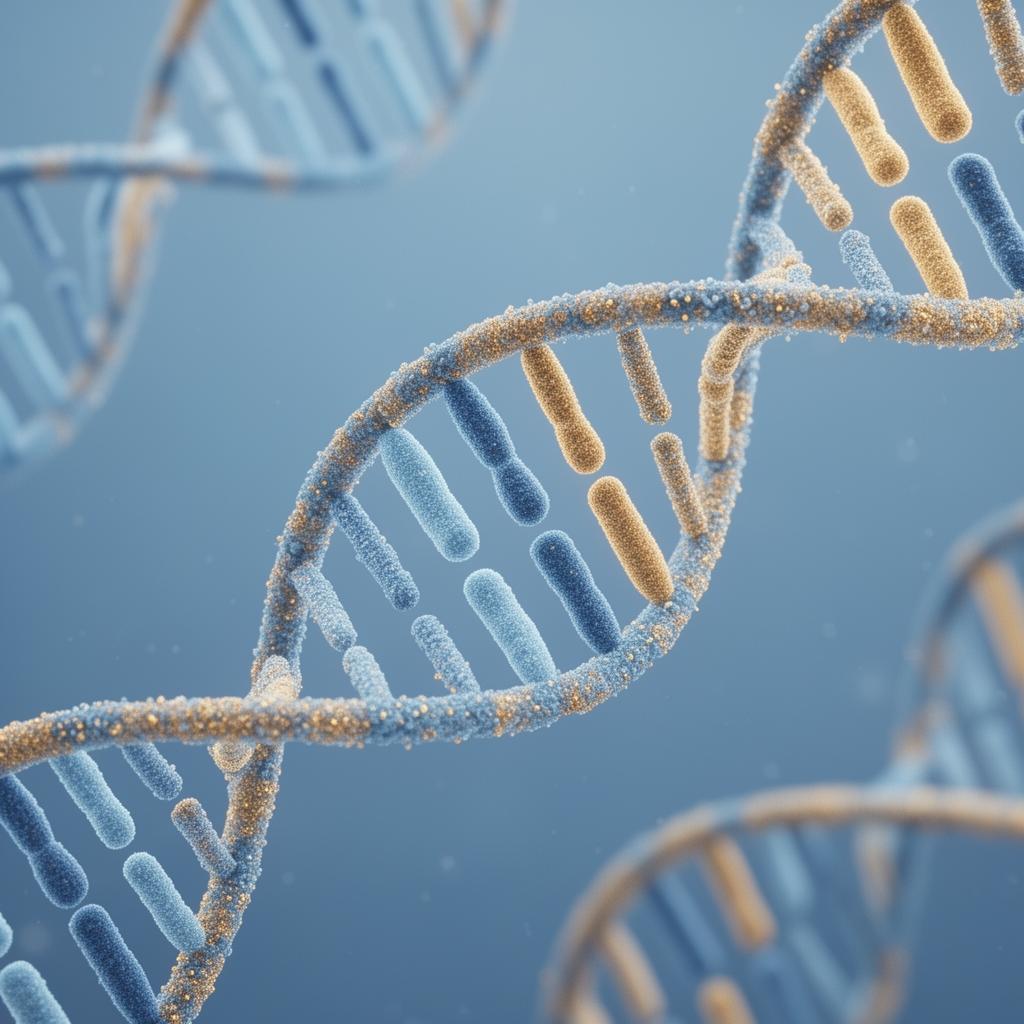
Chromosomal Analysis
Can PGT Determine Embryo Sex?
Yes. PGT can identify the chromosomal sex of an embryo prior to transfer.
This information may be used for medical reasons, such as avoiding sex-linked genetic conditions, and in some cases for family balancing depending on clinical guidance and regulations.
FAQ — Preimplantation Genetic Testing
What is PGT in IVF?
PGT (Preimplantation Genetic Testing) is a procedure performed during IVF to test embryos for chromosomal abnormalities or genetic conditions before transfer. It helps identify embryos with the highest chance of resulting in a healthy pregnancy.
What are the different types of PGT?
There are three main types of PGT: PGT-A screens for chromosomal abnormalities (extra or missing chromosomes); PGT-SR detects structural chromosomal rearrangements; and PGT-M tests for specific inherited genetic disorders.
Does PGT improve IVF success rates?
PGT can improve implantation rates and reduce miscarriage risk by selecting chromosomally normal embryos. While it does not guarantee pregnancy, it may increase the likelihood of success per embryo transfer.
Who should consider PGT?
PGT may be recommended for patients with advanced maternal age, recurrent miscarriage, known genetic disorders, previous IVF failure, or concerns about embryo quality.
Is PGT safe for embryos?
PGT is considered safe when performed by experienced embryology teams. The biopsy involves removing a small number of cells from the embryo, which typically does not affect its ability to develop.
Can PGT detect genetic diseases?
Yes. PGT can detect many chromosomal abnormalities and specific inherited genetic conditions, depending on the type of testing performed.
Does PGT tell the gender of the embryo?
Yes. PGT can identify the chromosomal sex of an embryo prior to transfer. This may be used for medical purposes or, in some cases, for family balancing.
Is PGT worth it for IVF?
PGT can be valuable for patients looking to reduce miscarriage risk, avoid genetic conditions, or improve efficiency by selecting the healthiest embryos. Your fertility specialist will help determine if it is right for you.

Contact Us
- (404) 410-5055
- Fax: (404) 856-0792
- info@hope-fertility.com
- Mon–Thu: 7:30am–4:30pm
Fri: 7:30am–12:00pm
Locations
About Hope Fertility
© 2026 Hope Fertility. All rights reserved.